The Kisan Owns Her Data: What “Farmer-Owned” Means in Practice
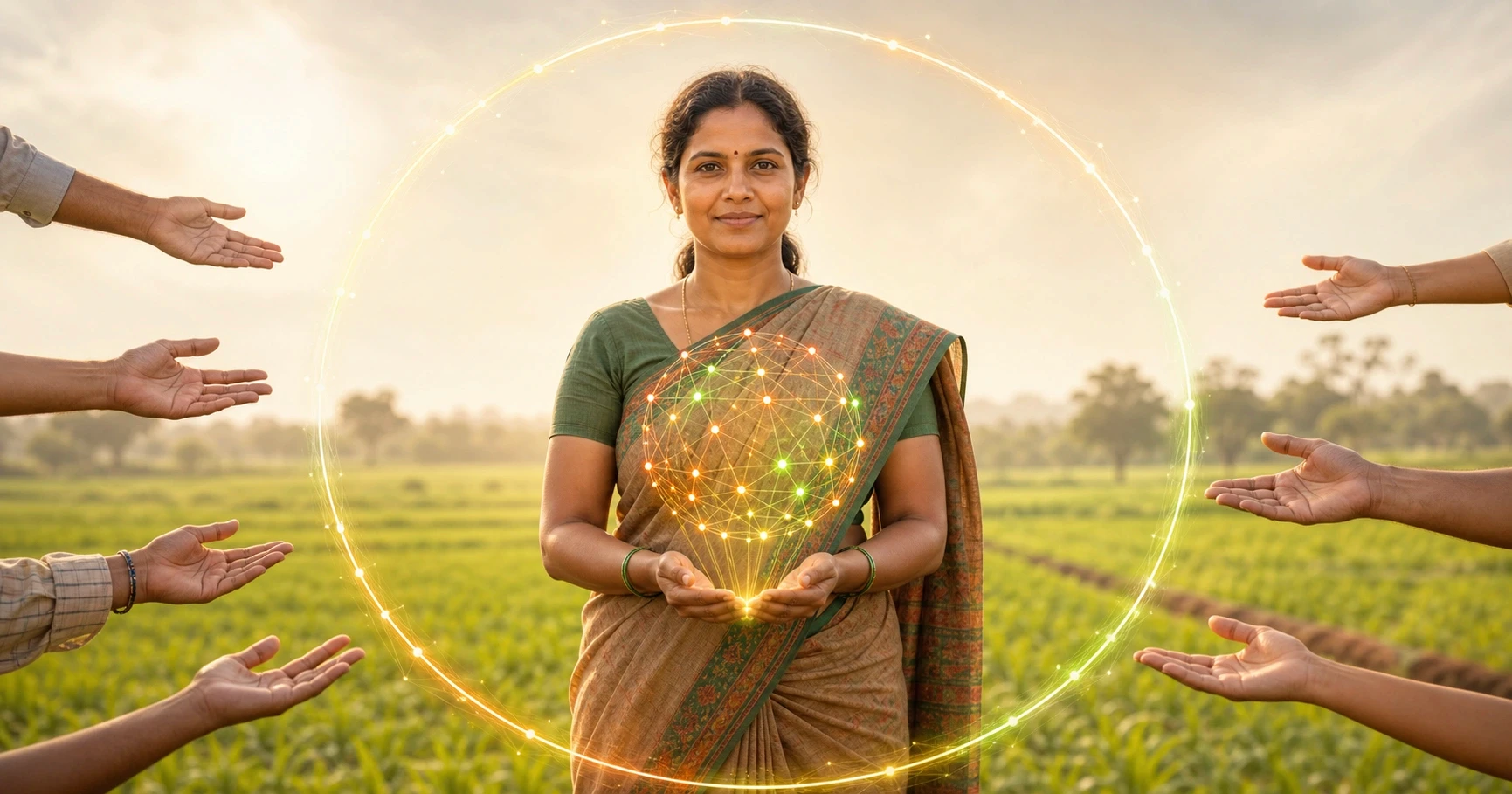
In agriculture, whoever controls the data controls the farmer. Gramraj is built on the opposite premise — the kisan’s data belongs to the kisan — and that choice is a moat, not a constraint.
By Shreya Iyer · Contributing Writer, Data & Society
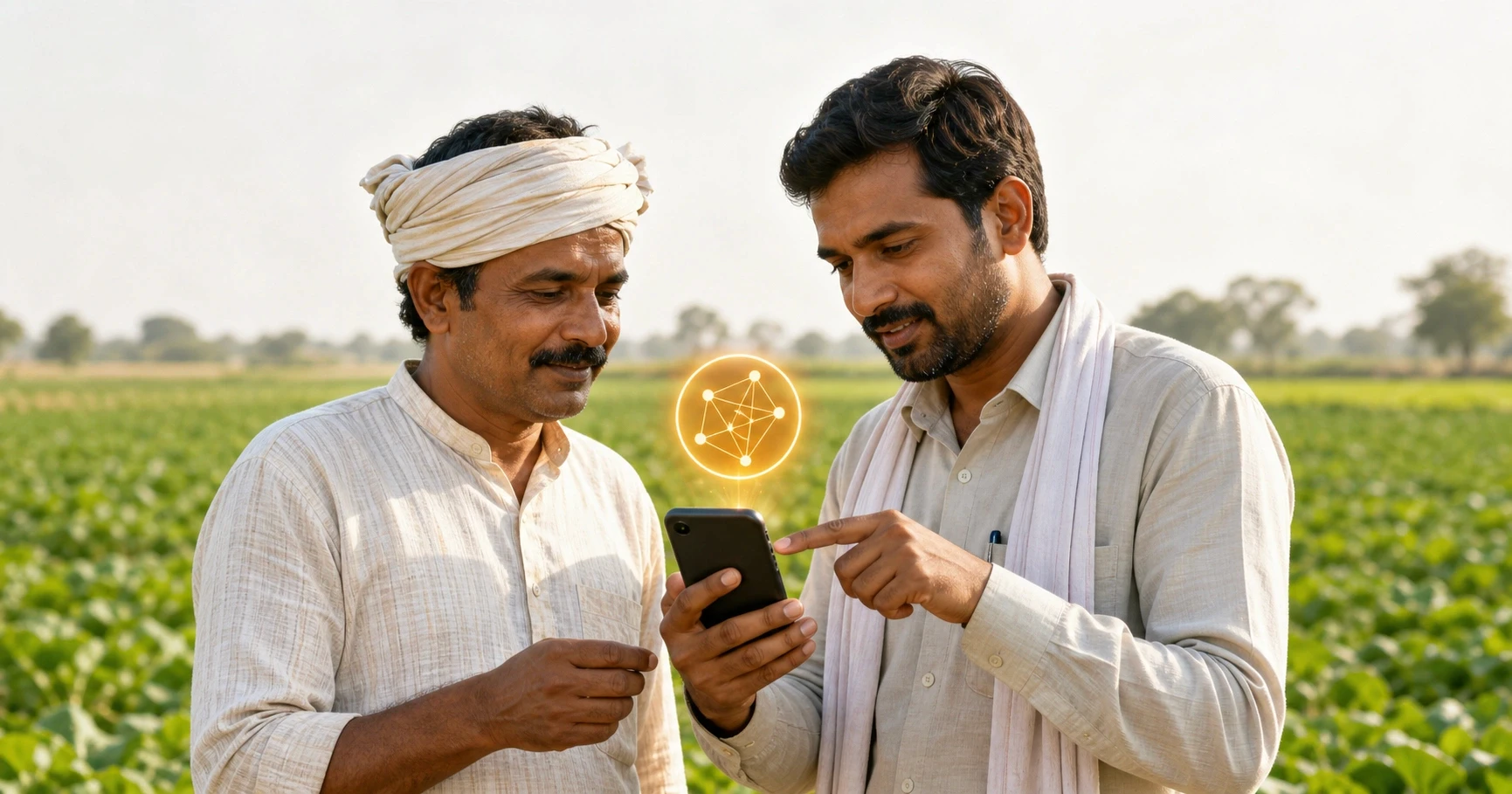
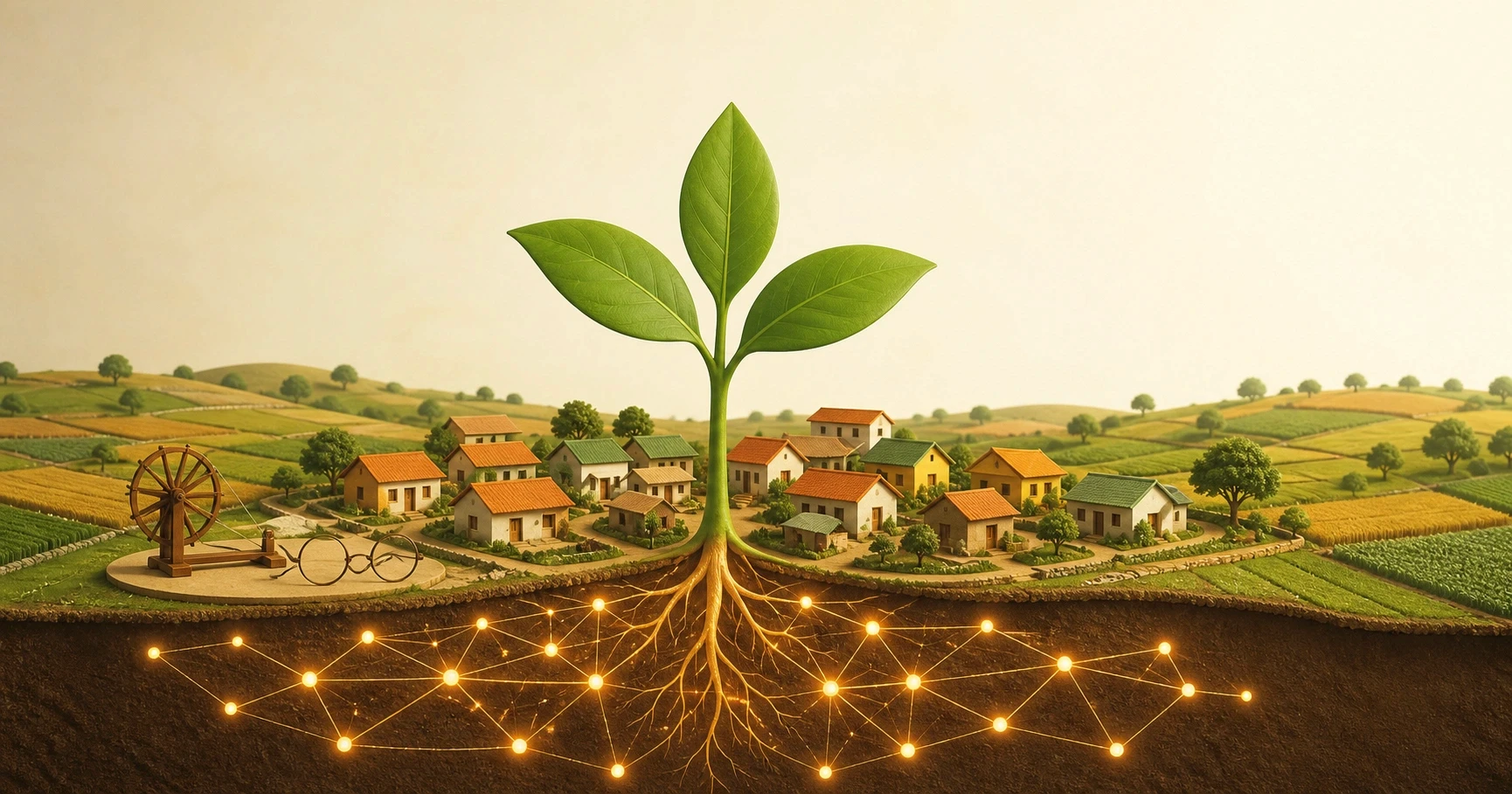
In village after village, farmers ask us the same thoughtful question about their data: who will see it, and what will it be used for? It is exactly the right question — the digital-age echo of Swaraj itself, which has always meant self-rule, self-possession, and dignity. This article is our answer, given in the only form that counts: architecture.
Data is the quiet currency of digital agriculture. A farmer’s landholdings, crop history, credit behaviour, and location together form a profile of extraordinary value — to lenders pricing risk, to input companies targeting demand, to anyone seeking to sell into rural markets. The default trajectory of most digital platforms is to accumulate that data and monetise it. We think that default is both a moral error and a strategic one — and, in the Indian context, a betrayal of the very citizens the digital economy is meant to serve.
Data as the new dependency
For generations, the farmer’s dependence ran through the intermediary who controlled information and access. Digitisation risks recreating that dependence in a new form: the platform that controls the data. If a farmer’s data lives with, and is owned by, whoever built the app, then the farmer has simply exchanged one gatekeeper for another — one harder to see and easier to scale.
A platform that owns the farmer’s data can, in principle, decide who gets to reach her, on what terms, and at what price. That is not empowerment; it is extraction with better tooling. India did not build Aadhaar, UPI, and the DPDP Act so that its farmers’ most sensitive information could become someone’s private inventory. The question of who owns the data determines whether digital agriculture liberates the farmer or re-subordinates her.
What ownership actually means — five concrete tests
“Farmer-owned data” is a specific, enforceable arrangement, not a slogan. In practice it means five things, each of which can be checked.
First, the farmer is the owner of record: the data is legally and architecturally hers, not the platform’s asset. Second, sharing is by explicit consent: nothing moves without her permission, given for a stated purpose and a defined period. Third, consent is revocable: she can withdraw it, and withdrawal takes effect. Fourth, every access is logged: there is an auditable trail of who used what data, when, and why — which she can see. Fifth, no back-door monetisation: the platform does not sell or repurpose her data behind her back, because the architecture does not permit it.
Any platform claiming farmer-centricity should be able to answer yes to all five, in writing, and demonstrate it in an audit. Gramraj is built so the answer is structural, not promissory. The farmer is not asked to trust a promise; the system is built so that the promise cannot be broken quietly.
What it looks like from the farmer’s side
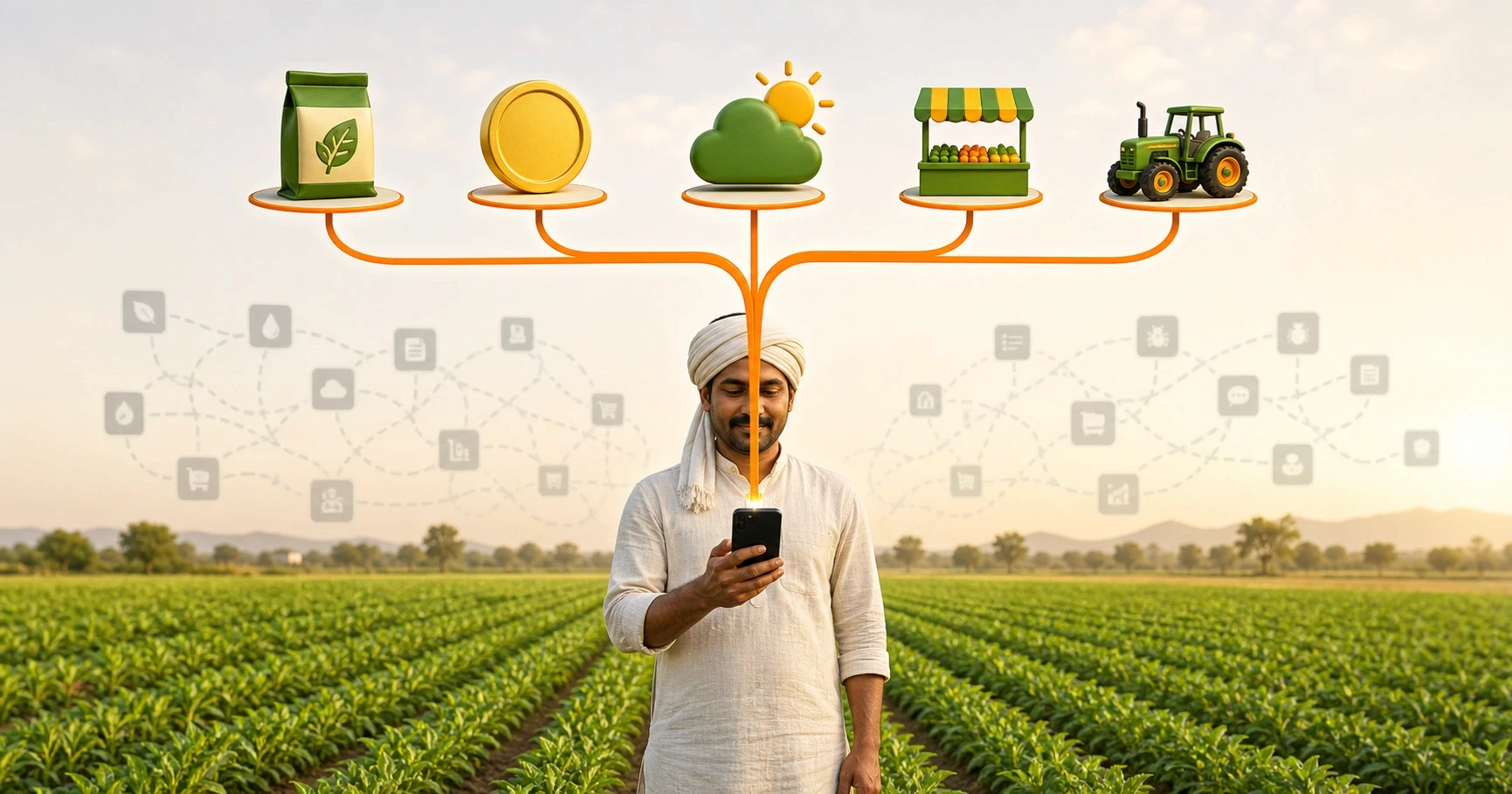
Practically: when a bank requests her land and crop data to assess a KCC application, she sees the request in her own language — what data, for what purpose, for how long — and approves or declines it. If she approves, the bank receives only the fields it needs, the access is recorded on the consent ledger, and she can review it later. If she later revokes consent, future access stops. Her data works for her the way her money works for her in a bank account: held in her name, moved on her instruction, visible in her statement.
Consent-first is a moat, not a cost
It is tempting to see all of this as friction. The opposite is true. In a sector defined by a trust deficit, consent-first is the most durable competitive advantage available.
A farmer who trusts that her data is hers shares more, and shares more honestly. Richer, more accurate, consented data makes the intelligence layer better, the credit assessments sharper, the advisory more relevant. Better outcomes deepen trust, which yields still better data. This is a flywheel — and one that a competitor built on data-resale cannot copy, because the moment they monetise the data, they break the trust the flywheel runs on.
Institutions understand this instinctively. A bank, a government, or a multilateral cannot build on a platform whose data practices are a liability waiting to surface. Consent-first, farmer-owned data is what makes the platform safe to build on — and what makes it worthy of the farmers, and the nation, it serves.